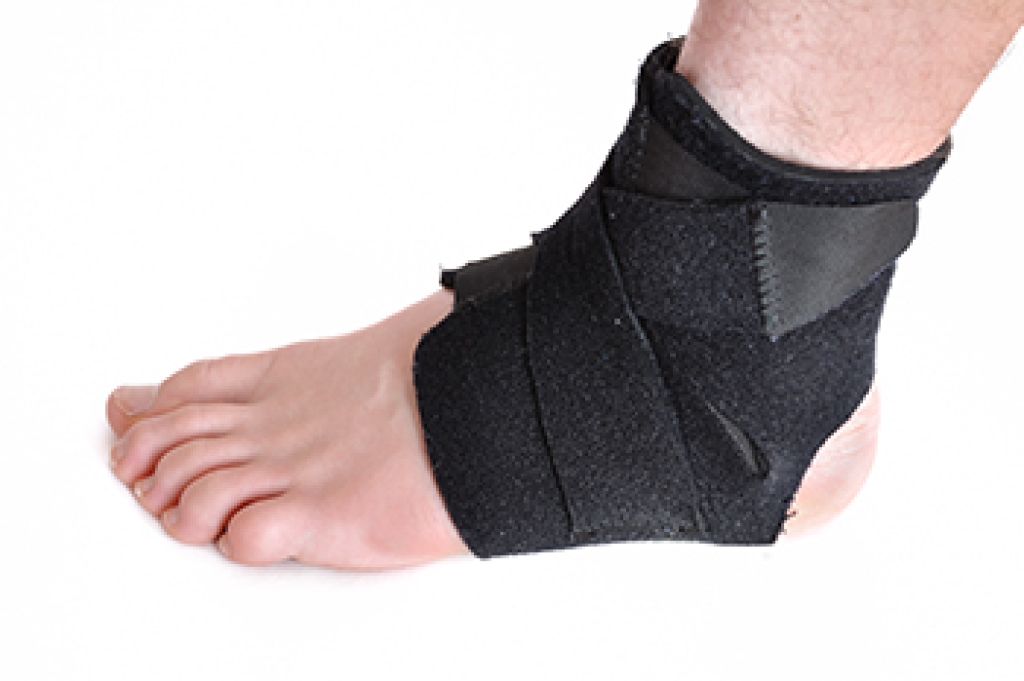
Support and Stability From Ankle Braces

Ankle braces are supportive devices designed to stabilize the ankle joint and limit excessive movement that can lead to injury. They are commonly used for both prevention and recovery, especially in individuals who are active or have a history of ankle instability. Ankle braces come in several forms, including lace up support designs that provide adjustable compression and a secure fit. These braces help maintain proper alignment of the joint while allowing controlled movement, making them an effective tool for protecting the ankle during daily activities and physical exercise.

Symptoms that may indicate the need for an ankle brace include swelling, weakness, and a feeling of instability in the ankle. Individuals recovering from sprains or dealing with chronic conditions such as Achilles tendon injuries often benefit from added support. An ankle brace can help reduce strain on the Achilles tendon by limiting excessive motion and providing gentle compression. This support helps decrease inflammation and promotes a more stable walking pattern, which is essential for healing and long term joint health.


Risk factors that increase the need for ankle support include previous ankle injuries, high impact sports, and wearing poor footwear. Weak ligaments and reduced balance can also contribute to instability. Lace-up ankle braces are particularly helpful because they allow for a customized fit that adjusts to swelling and activity level. These braces provide consistent support throughout movement, helping reduce the risk of re-injury while improving confidence during physical activity.


Using an ankle brace as part of a comprehensive care plan can improve recovery and prevent further injury. It is important to pair bracing with strengthening exercises and proper footwear to support overall foot and ankle health. Early use of supportive devices can make a significant difference in healing outcomes. If you have foot pain and need to wear an ankle brace, it is suggested that you consult a podiatrist to explore appropriate treatment solutions, which may include using orthotics. 

If you are having discomfort in your feet and would like to try orthotics, contact Alex Kim, DPM from AVID Foot & Ankle Center. Our doctor can provide the care you need to keep you pain-free and on your feet.

What Are Orthotics?

Orthotics are inserts you can place into your shoes to help with a variety of foot problems such as flat feet or foot pain. Orthotics provide relief and comfort for minor foot and heel pain but can’t correct serious biomechanical problems in your feet.

Over-the-Counter Inserts

Orthotics come in a wide variety of over-the-counter inserts that are used to treat foot pain, heel pain, and minor problems. For example, arch supports can be inserted into your shoes to help correct overarched or flat feet, while gel insoles are often used because they provide comfort and relief from foot and heel pain by alleviating pressure.

Prescription Orthotics

If over-the-counter inserts don’t work for you or if you have a more severe foot concern, it is possible to have your podiatrist prescribe custom orthotics. These high-quality inserts are designed to treat problems such as abnormal motion, plantar fasciitis, and severe forms of heel pain. They can even be used to help patients suffering from diabetes by treating foot ulcers and painful calluses and are usually molded to your feet individually, which allows them to provide full support and comfort.

If you are experiencing minor to severe foot or heel pain, it’s recommended to speak with your podiatrist about the possibilities of using orthotics. A podiatrist can determine which type of orthotic is right for you and allow you to take the first steps towards being pain-free.

If you have any questions, please feel free to contact our office located in Little Elm, TX . We offer the newest diagnostic and treatment technologies for all your foot care needs.


Read more about Ankle Foot Orthotics for Athletes

Neuropathy of the Feet

Neuropathy in the feet, also called peripheral neuropathy, happens when the nerves that carry messages between the feet and the brain become damaged. This can affect feeling, movement, or both. Symptoms often begin gradually and may include numbness, tingling, or a burning sensation in the feet. Some people also experience sharp pain or find it difficult to feel heat, cold, or injuries. Because sensation is reduced, cuts, blisters, or sores may go unnoticed and become more serious. Neuropathy is commonly linked to diabetes, but it can also have other causes. Early diagnosis is important because nerve damage may worsen if the underlying problem is not identified and managed.


A podiatrist plays an important role in protecting foot health when neuropathy is present. During an examination, the podiatrist checks sensation, circulation, and overall foot function. They also look for skin changes, pressure areas, or wounds that may have developed without being noticed. Treatment depends on the cause and severity of the condition. A podiatrist may recommend medical treatments, custom orthotics, or other measures to reduce pressure on vulnerable areas of the feet. Regular evaluations also help identify changes early and lower the risk of complications that could affect mobility.


Professional neuropathy treatment and podiatry care can help protect the feet and reduce the risk of long-term problems. Early care may improve comfort, support safer movement, and help prevent complications caused by reduced feeling in the feet. A podiatrist can also work with your healthcare team to monitor changes and provide treatment as your needs change. Prompt evaluation is especially important if symptoms continue to worsen or begin affecting your balance and walking. If you have numbness, tingling, or burning in your feet, it is suggested that you consult a podiatrist for an evaluation.

Neuropathy

Neuropathy can be a potentially serious condition, especially if it is left undiagnosed. If you have any concerns that you may be experiencing nerve loss in your feet, consult with Alex Kim, DPM from AVID Foot & Ankle Center. Our doctor will assess your condition and provide you with quality foot and ankle treatment for neuropathy.

What Is Neuropathy?

Neuropathy is a condition that leads to damage to the nerves in the body. Peripheral neuropathy, or neuropathy that affects your peripheral nervous system, usually occurs in the feet. Neuropathy can be triggered by a number of different causes. Such causes include diabetes, infections, cancers, disorders, and toxic substances.

Symptoms of Neuropathy Include:

  • Numbness
  • Sensation loss
  • Prickling and tingling sensations
  • Throbbing, freezing, burning pains
  • Muscle weakness

Those with diabetes are at serious risk due to being unable to feel an ulcer on their feet. Diabetics usually also suffer from poor blood circulation. This can lead to the wound not healing, infections occurring, and the limb may have to be amputated.

Treatment

To treat neuropathy in the foot, podiatrists will first diagnose the cause of the neuropathy. Figuring out the underlying cause of the neuropathy will allow the podiatrist to prescribe the best treatment, whether it be caused by diabetes, toxic substance exposure, infection, etc. If the nerve has not died, then it’s possible that sensation may be able to return to the foot.

Pain medication may be issued for pain. Electrical nerve stimulation can be used to stimulate nerves. If the neuropathy is caused from pressure on the nerves, then surgery may be necessary.

If you have any questions, please feel free to contact our office located in Little Elm, TX . We offer the newest diagnostic and treatment technologies for all your foot care needs.

Read more about Neuropathy

Foot Pain Caused by Corns

Corns on the feet are thick, hardened areas of skin that develop in response to repeated pressure or friction. They often form on the tops or sides of the toes, between the toes, or on weight-bearing areas of the feet. Corns are the body’s way of protecting the skin, but they can become painful when pressure continues. Common causes include tight shoes, toe deformities, abnormal foot mechanics, or areas where bones rub against footwear. Symptoms may include foot pain, tenderness, a raised patch of hard skin, or discomfort when walking.


Although corns may seem like a simple skin problem, they can interfere with daily activities and overall foot health. Painful corns can make it difficult to wear shoes comfortably, stand for long periods of time, or walk normally. Some corns are hard and dry, while others may develop between the toes, where the skin stays softer. People with diabetes, poor circulation, or nerve problems should be especially cautious because even small areas of pressure can lead to more serious complications. Since corns can look similar to other foot conditions, an accurate diagnosis is important before treatment begins.


A podiatrist is a foot and ankle specialist who can diagnose corns on the feet and identify what is causing the pressure. During an evaluation, a podiatrist may examine the skin, assess foot structure, and check how the foot moves during walking. Treatment may include professional corn removal, pressure relief, custom orthotics, footwear guidance, or care for related toe problems. Addressing the underlying cause can help reduce pain and lower the chance of recurring corns. Professional podiatry care is especially important when corns are painful, return often, or appear with redness, swelling, or drainage. If you have painful corns on your feet, recurring skin thickening, or difficulty walking due to pressure-related foot pain, it is suggested that you consult a podiatrist for effective relief and treatment options.

If you have any concerns regarding your feet and ankles, contact Alex Kim, DPM of AVID Foot & Ankle Center. Our doctor will treat your foot and ankle needs.

Corns: What Are They? and How Do You Get Rid of Them?
Corns can be described as areas of the skin that have thickened to the point of becoming painful or irritating. They are often layers and layers of the skin that have become dry and rough, and are normally smaller than calluses.

Ways to Prevent Corns
There are many ways to get rid of painful corns such as wearing:

  • Well-fitting socks
  • Comfortable shoes that are not tight around your foot
  • Shoes that offer support

Treating Corns
Treatment of corns involves removing the dead skin that has built up in the specific area of the foot. Consult with Our doctor to determine the best treatment option for your case of corns.

If you have any questions, please feel free to contact our office located in Little Elm, TX . We offer the newest diagnostic and treatment technologies for all your foot care needs.

Read more about Corns: What Are They, and How Do You Get Rid of Them

Treatment Options for Hallux Rigidus

Hallux rigidus is a form of arthritis that affects the joint at the base of the big toe, causing pain and stiffness that can make walking uncomfortable. Many people first notice difficulty bending the toe, pain during push-off, or swelling around the joint. Treatment depends on how advanced the condition has become and how much it affects daily life. Early care may include shoe changes, custom orthotics, activity adjustments, and anti-inflammatory treatments to reduce pressure on the joint and improve comfort. Some patients benefit from targeted exercises to help maintain movement. When pain becomes more severe, or motion is greatly limited, procedures may be considered to remove damaged tissue, improve joint movement, or address advanced joint damage. Managing symptoms early may help slow progression and keep you active. If you have big toe pain and stiffness, it is suggested that you visit a podiatrist for appropriate treatment solutions.

Toe pain can disrupt your daily activities. If you have any concerns, contact Alex Kim, DPM of AVID Foot & Ankle Center. Our doctor can provide the care you need to keep you pain-free and on your feet.

What Causes Toe Pain?

Most severe toe pain is caused due to a sports injury, trauma from dropping something heavy on the toe, or bumping into something rigid. Other problems can develop over time for various reasons.

Toe pain can be caused by one or more ailments. The most common include:

  • Trauma
  • Sports injury
  • Wearing shoes that are too tight
  • Arthritis
  • Gout
  • Corns and calluses
  • Hammertoe
  • Bunions
  • Blisters
  • Ingrown toenails
  • Sprains
  • Fractures (broken bones)
  • Dislocations

When to See a Podiatrist

  • Severe pain
  • Persistent pain that lasts more than a week
  • Signs of infection
  • Continued swelling
  • Pain that prevents walking

Diagnosis

In many cases the cause of toe pain is obvious, but in others, a podiatrist may want to use more advanced methods to determine the problem. These can range from simple visual inspections and sensation tests to X-rays and MRI scans. Prior medical history, family medical history, and any recent physical traumatic events will all be taken into consideration for a proper diagnosis.

Treatment

Treatments for toe pain and injuries vary and may include shoe inserts, padding, taping, medicines, injections, and in some cases, surgery. If you believe that you have broken a toe, please see a podiatrist as soon as possible.

If you have any questions please contact our office located in Little Elm, TX . We offer the newest diagnostic and treatment technologies for all your foot and ankle needs.

Read more about Toe Pain

Keep Your Feet Healthy So You Can Stay Active

Have your feet inspected by a professional before starting a new sport or physical activity. Taking charge of your foot health will keep you in good physical condition and can help you avoid a potential injury, such as a fracture or sprained ankle.

Prevent injuries and see a foot specialist.

Connect With Us