Flat Feet Risks

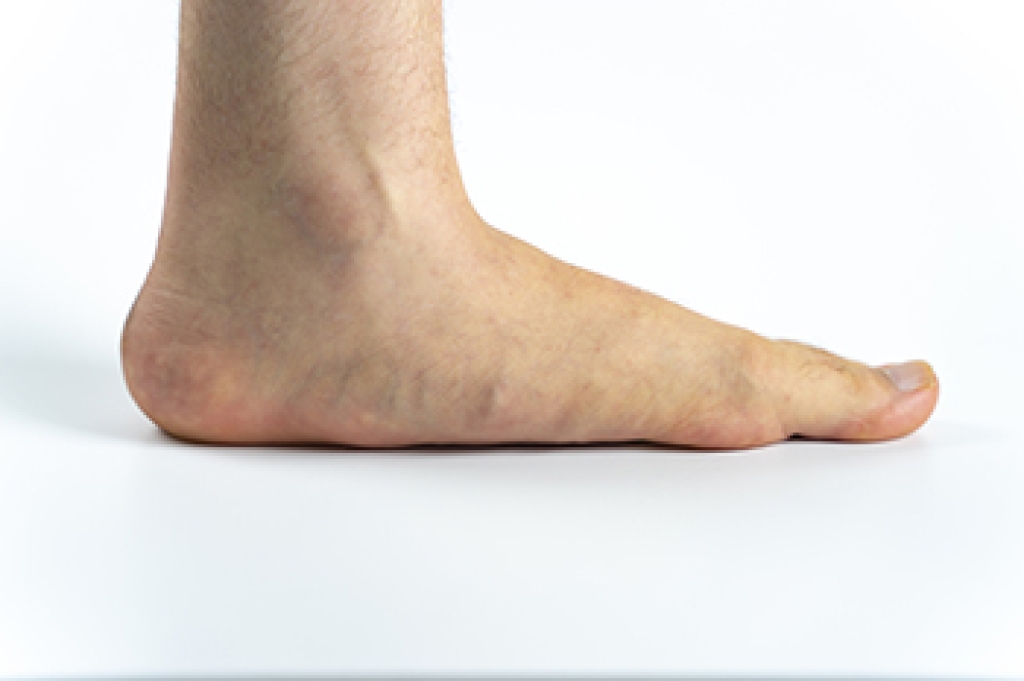
Flat feet are a foot condition in which the arches collapse or fail to develop fully, causing the feet to roll inward during standing and walking. When the feet roll in, the ankles often tilt down toward the ground on one side, creating instability and uneven weight distribution. This altered alignment can have a domino effect on the knees and hip joints, leading to discomfort and joint strain over time. Flat feet are also linked to plantar fasciitis, foot fatigue, in addition to foot and ankle arthritis. A podiatrist can evaluate foot structure, gait, and alignment to determine the severity of flat feet. Treatment may include supportive footwear, custom orthotics, and targeted therapies. If you have flat feet and foot pain or joint discomfort is affecting your daily life, it is suggested that you schedule a visit with a podiatrist for relief and management tips.

Flatfoot is a condition many people suffer from. If you have flat feet, contact Alex Kim, DPM from AVID Foot & Ankle Center. Our doctor will treat your foot and ankle needs.

What Are Flat Feet?

Flatfoot is a condition in which the arch of the foot is depressed and the sole of the foot is almost completely in contact with the ground. About 20-30% of the population generally has flat feet because their arches never formed during growth.

Conditions & Problems:

Having flat feet makes it difficult to run or walk because of the stress placed on the ankles.

Alignment – The general alignment of your legs can be disrupted, because the ankles move inward which can cause major discomfort.

Knees – If you have complications with your knees, flat feet can be a contributor to arthritis in that area.  

Symptoms

  • Pain around the heel or arch area
  • Trouble standing on the tip toe
  • Swelling around the inside of the ankle
  • Flat look to one or both feet
  • Having your shoes feel uneven when worn

Treatment

If you are experiencing pain and stress on the foot you may weaken the posterior tibial tendon, which runs around the inside of the ankle. 

If you have any questions, please feel free to contact our office located in Little Elm, TX . We offer the newest diagnostic and treatment technologies for all your foot care needs.

Read more about Flat Feet

Important Factors for Choosing Running Shoes

Picking the right running shoes is essential for comfort, injury prevention, and performance. The outsole is the bottom layer of the shoe, and provides traction durability and grip on different surfaces. The midsole sits above the outsole and offers cushioning, shock absorption, and stability during each step. Some running shoes include a carbon plate which adds propulsion energy return and efficiency for faster running. The tread pattern affects how the shoe grips the ground and can influence control on roads, trails, or tracks. Choosing the right combination of factors depends on foot type, gait, and running goals. A podiatrist can help by evaluating foot structure, movement patterns, and training needs to recommend proper footwear or custom inserts. If you have foot pain from running shoes, it is suggested that you consult a podiatrist who can treat various foot conditions, and guide you on the right shoes to wear for your running style.

You should always make sure your running shoes fit properly in order to avoid injury. For more information, contact Alex Kim, DPM from AVID Foot & Ankle Center. Our doctor can provide the care you need to keep you pain-free and on your feet.

Choosing the Right Running Shoe for Your Foot Type

Improper shoe sizing can cause a myriad of problems for your feet. Shoes that don’t fit you properly can lead to muscular imbalances in your body, which can result in foot, knee, and hip injuries.

Tips for Finding the Right Running Shoe

  • Make sure you have a thumb’s width of wiggle room between the end of your longest toe and the front of the shoe.
  • There should be little to no slipping at the heel
  • Don’t assume your size in one shoe brand will be your size in another
  • Do not lace up your shoes too tightly
  • Walk around in the store with your new shoes before you buy them

If you have any questions, please feel free to contact our office located in Little Elm, TX . We offer the newest diagnostic and treatment technologies for all your foot care needs.

Read more about Walking Shoes vs. Running Shoes

Why Wearing High Heels Can Harm the Feet

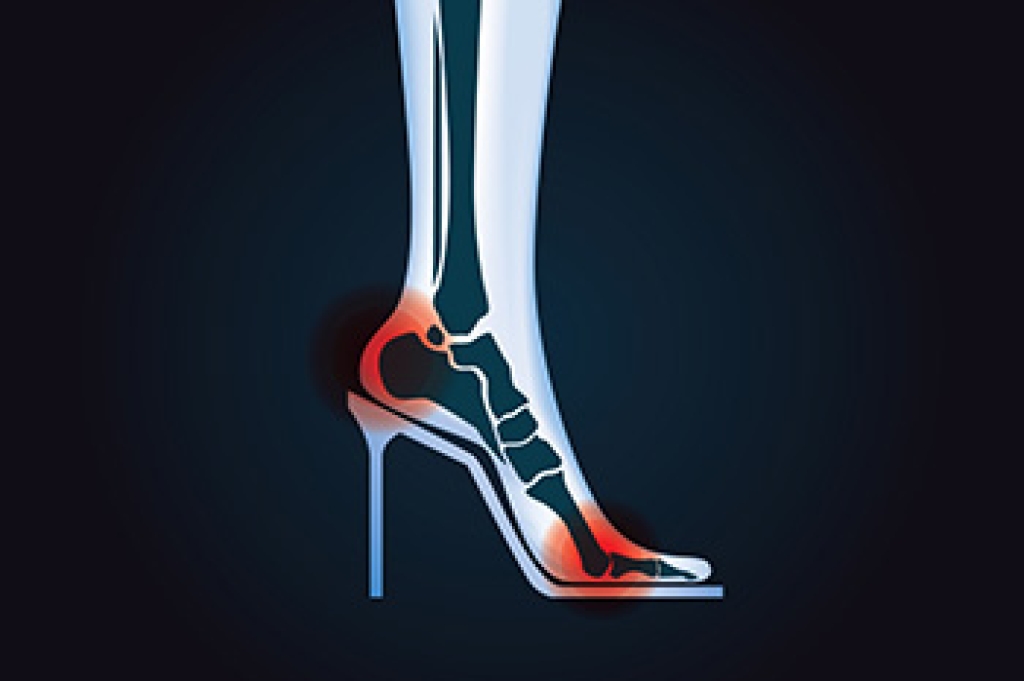
High heels place the feet in a steep incline that shifts weight toward the toes. This posture forces the ball of the foot to carry more pressure than it should. The result is a change in balance that can strain muscles, ligaments, and joints, and can even cause small tears from repeated stress. When the heel is raised, the arch and heel are pulled upward, which keeps the Achilles tendon in a shortened position and can cause discomfort in that area. A narrow toe box coupled with a pointed design squeezes the toes together, which can lead to bunions or irritation across the joints. The altered position of the feet while wearing high heels affects posture and can increase fatigue in the ankles as they work harder to stay stable. A podiatrist can assess foot structure, advise on safer footwear choices, and provide treatment when pain persists. If you have foot pain related to wearing high heels, it is suggested that you schedule an appointment with a podiatrist for a diagnosis and safe treatment.

High heels have a history of causing foot and ankle problems. If you have any concerns about your feet or ankles, contact Alex Kim, DPM from AVID Foot & Ankle Center. Our doctor can provide the care you need to keep you pain-free and on your feet.

Effects of High Heels on the Feet

High heels are popular shoes among women because of their many styles and societal appeal.  Despite this, high heels can still cause many health problems if worn too frequently.

Which Parts of My Body Will Be Affected by High Heels?

  • Ankle Joints
  • Achilles Tendon – May shorten and stiffen with prolonged wear
  • Balls of the Feet
  • Knees – Heels cause the knees to bend constantly, creating stress on them
  • Back – They decrease the spine’s ability to absorb shock, which may lead to back pain.  The vertebrae of the lower back may compress.

What Kinds of Foot Problems Can Develop from Wearing High Heels?

  • Corns
  • Calluses
  • Hammertoe
  • Bunions
  • Morton’s Neuroma
  • Plantar Fasciitis

How Can I Still Wear High Heels and Maintain Foot Health?

If you want to wear high heeled shoes, make sure that you are not wearing them every day, as this will help prevent long term physical problems.  Try wearing thicker heels as opposed to stilettos to distribute weight more evenly across the feet.  Always make sure you are wearing the proper shoes for the right occasion, such as sneakers for exercising.  If you walk to work, try carrying your heels with you and changing into them once you arrive at work.  Adding inserts to your heels can help cushion your feet and absorb shock. Full foot inserts or metatarsal pads are available. 

If you have any questions, please feel free to contact our office located in Little Elm, TX . We offer the newest diagnostic and treatment technologies for all your foot care needs.
Read more about Effect of High Heels on the Feet

Pickleball and Ankle Pain

Pickleball is a fast-paced sport that places repeated stress on the ankles through quick direction changes, sudden stops, and lateral movements. Hurt ankles often result from ligament strain, overuse, or improper foot positioning during play. Risk factors include inadequate warm-up, poor balance, uneven court surfaces, and wearing shoes without proper support or traction. Previous ankle injuries and weak stabilizing muscles can also increase the chance of pain or sprain. A podiatrist can assess ankle stability, identify biomechanical issues, recommend supportive footwear or custom orthotics, and create a treatment plan to reduce inflammation and promote healing. If ankle pain is limiting your pickleball performance or daily activity, it is suggested that you consult a podiatrist to restore strength, prevent future injury, and keep you confidently on the court.

Ankle pain can be caused by a number of problems and may be potentially serious. If you have ankle pain, consult with Alex Kim, DPM from AVID Foot & Ankle Center. Our doctor will assess your condition and provide you with quality foot and ankle treatment.

Ankle pain is any condition that causes pain in the ankle. Due to the fact that the ankle consists of tendons, muscles, bones, and ligaments, ankle pain can come from a number of different conditions.

Causes

The most common causes of ankle pain include:

  • Types of arthritis (rheumatoid, osteoarthritis, and gout)
  • Ankle sprains
  • Broken ankles
  • Achilles tendonitis
  • Achilles tendon rupture
  • Stress fractures
  • Bursitis
  • Tarsal tunnel syndrome
  • Plantar fasciitis

Symptoms

Symptoms of ankle injury vary based upon the condition. Pain may include general pain and discomfort, swelling, aching, redness, bruising, burning or stabbing sensations, and/or loss of sensation.

Diagnosis

Due to the wide variety of potential causes of ankle pain, podiatrists will utilize a number of different methods to properly diagnose ankle pain. This can include asking for personal and family medical histories and of any recent injuries. Further diagnosis may include sensation tests, a physical examination, and potentially x-rays or other imaging tests.

Treatment

Just as the range of causes varies widely, so do treatments. Some more common treatments are rest, ice packs, keeping pressure off the foot, orthotics and braces, medication for inflammation and pain, and surgery.

If you have any questions please feel free to contact our office located in Little Elm, TX . We offer the newest diagnostic tools and technology to treat your foot and ankle needs.

Read more about Various Causes of Ankle Pain

Heel Pain Can Be Treated!

Do you suffer from heel pain when you get up in the morning? If so, you should seek professional help and have a proper diagnosis performed. Heel pain can be caused by several different foot-related conditions.

Connect With Us