Various Causes of Toe Pain

Toe pain can come from various conditions, including athlete’s foot, bunions, and ingrown toenails, each with its own causes and symptoms. Athlete’s foot is a fungal infection often caused by sweaty feet and exposure to damp environments, like locker rooms. Athlete’s foot can lead to itching, burning, redness, and peeling skin. Bunions are bony bumps that form at the base of the big toe, often due to genetics, poor footwear, or arthritis, causing pain, swelling, and difficulty walking. Ingrown toenails occur when the edge of a nail grows into the surrounding skin, often from improper trimming or tight shoes. This may lead to pain, redness, swelling, and sometimes infection. Any of these conditions can make walking painful and reduce your quality of life. A podiatrist can diagnose the problem through a physical exam, lab tests, or imaging. Treatments include antifungal medications, orthotics, nail care, or minor procedures to relieve discomfort and correct the issue. If you have toe pain, it is suggested that you schedule an appointment with a podiatrist for appropriate treatment solutions.

Toe pain can disrupt your daily activities. If you have any concerns, contact Alex Kim, DPM of AVID Foot & Ankle Center. Our doctor can provide the care you need to keep you pain-free and on your feet.

What Causes Toe Pain?

Most severe toe pain is caused due to a sports injury, trauma from dropping something heavy on the toe, or bumping into something rigid. Other problems can develop over time for various reasons.

Toe pain can be caused by one or more ailments. The most common include:

  • Trauma
  • Sports injury
  • Wearing shoes that are too tight
  • Arthritis
  • Gout
  • Corns and calluses
  • Hammertoe
  • Bunions
  • Blisters
  • Ingrown toenails
  • Sprains
  • Fractures (broken bones)
  • Dislocations

When to See a Podiatrist

  • Severe pain
  • Persistent pain that lasts more than a week
  • Signs of infection
  • Continued swelling
  • Pain that prevents walking

Diagnosis

In many cases the cause of toe pain is obvious, but in others, a podiatrist may want to use more advanced methods to determine the problem. These can range from simple visual inspections and sensation tests to X-rays and MRI scans. Prior medical history, family medical history, and any recent physical traumatic events will all be taken into consideration for a proper diagnosis.

Treatment

Treatments for toe pain and injuries vary and may include shoe inserts, padding, taping, medicines, injections, and in some cases, surgery. If you believe that you have broken a toe, please see a podiatrist as soon as possible.

If you have any questions please contact our office located in Little Elm, TX . We offer the newest diagnostic and treatment technologies for all your foot and ankle needs.

Read more about Toe Pain

Athlete’s Foot and Other Foot Infections

Fungal and bacterial foot infections can develop when microorganisms enter through small cracks or cuts in the skin. This typically occurs in moist environments like public showers, locker rooms, or around pools. One common fungal infection is athlete’s foot, which may cause peeling skin, redness, itching, or blisters, often between the toes or along the soles. If left untreated, it can spread and increase the risk of a toenail infection called onychomycosis, which can result in thickened, yellowed, or brittle nails. Bacterial infections, such as cellulitis or foot abscesses, may cause swelling, pain, heat, and drainage from the affected area and may spread quickly, if not properly treated. A podiatrist can perform a thorough exam and determine whether the infection is fungal or bacterial, before providing the appropriate treatment. If you believe you have a fungal or bacterial foot infection, it is suggested that you schedule an appointment with a podiatrist for an exam, diagnosis, and appropriate treatment.

Athlete’s Foot

Athlete’s foot is often an uncomfortable condition to experience. Thankfully, podiatrists specialize in treating athlete’s foot and offer the best treatment options. If you have any questions about athlete’s foot, consult with Alex Kim, DPM from AVID Foot & Ankle Center. Our doctor will assess your condition and provide you with quality treatment.

What Is Athlete’s Foot?

Tinea pedis, more commonly known as athlete’s foot, is a non-serious and common fungal infection of the foot. Athlete’s foot is contagious and can be contracted by touching someone who has it or infected surfaces. The most common places contaminated by it are public showers, locker rooms, and swimming pools. Once contracted, it grows on feet that are left inside moist, dark, and warm shoes and socks.

Prevention

The most effective ways to prevent athlete’s foot include:

  • Thoroughly washing and drying feet
  • Avoid going barefoot in locker rooms and public showers
  • Using shower shoes in public showers
  • Wearing socks that allow the feet to breathe
  • Changing socks and shoes frequently if you sweat a lot

Symptoms

Athlete’s foot initially occurs as a rash between the toes. However, if left undiagnosed, it can spread to the sides and bottom of the feet, toenails, and if touched by hand, the hands themselves. Symptoms include:

  • Redness
  • Burning
  • Itching
  • Scaly and peeling skin

Diagnosis and Treatment

Diagnosis is quick and easy. Skin samples will be taken and either viewed under a microscope or sent to a lab for testing. Sometimes, a podiatrist can diagnose it based on simply looking at it. Once confirmed, treatment options include oral and topical antifungal medications.

If you have any questions, please feel free to contact our office located in Little Elm, TX . We offer the newest diagnostic and treatment technologies for all your foot care needs.

Read more about Athlete's Foot

Common Foot Problems in Older Adults

As people age, their feet become more vulnerable to a range of issues, including fractures, gout, toenail disorders, and peripheral arterial disease, or PAD. Fractures can occur from falls or weakened bones, and may cause swelling, bruising, and sharp pain. Gout, often affecting the big toe, causes sudden, intense pain, redness, and warmth due to uric acid buildup. Thick, discolored, or ingrown toenails can lead to pain and infection, while PAD, a circulation problem, can cause leg cramping, cold feet, and slow-healing wounds. These conditions may make walking difficult and affect overall mobility and independence. A podiatrist can diagnose these issues through exams and imaging. Treatment options include medications, custom orthotics, nail care, wound management, and footwear changes to reduce pain and improve function. If you have any of these issues, it is suggested that you schedule an appointment with a podiatrist for appropriate treatment solutions.

Proper foot care is something many older adults forget to consider. If you have any concerns about your feet and ankles, contact Alex Kim, DPM from AVID Foot & Ankle Center. Our doctor can provide the care you need to keep you pain-free and on your feet.

The Elderly and Their Feet

As we age we start to notice many changes in our body, but the elder population may not notice them right away. Medical conditions may prevent the elderly to take notice of their foot health right away. Poor vision is a lead contributor to not taking action for the elderly.

Common Conditions 

  • Neuropathy – can reduce feeling in the feet and can hide many life-threatening medical conditions.
  • Reduced flexibility – prevents the ability of proper toenail trimming, and foot cleaning. If left untreated, it may lead to further medical issues.
  • Foot sores – amongst the older population can be serious before they are discovered. Some of the problematic conditions they may face are:
  • Gouging toenails affecting nearby toe
  • Shoes that don’t fit properly
  • Pressure sores
  • Loss of circulation in legs & feet
  • Edema & swelling of feet and ankles

Susceptible Infections

Diabetes and poor circulation can cause general loss of sensitivity over the years, turning a simple cut into a serious issue.

If you have any questions, please feel free to contact our office located in Little Elm, TX . We offer the newest diagnostic and treatment technologies for all your foot care needs.

Read more about Elderly Foot Care

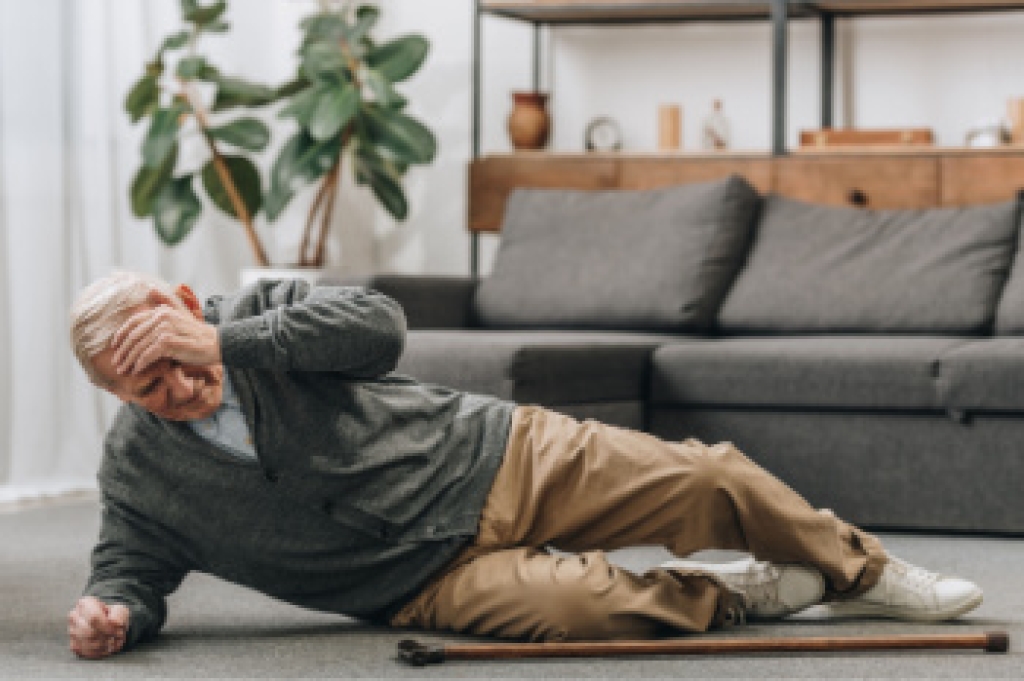
How Peripheral Neuropathy Contributes to Falls

Peripheral neuropathy is a condition that damages the nerves responsible for sending signals between the feet and the brain. When these nerves are affected, people may experience numbness, tingling, or weakness in the feet and ankles. This damage can interfere with balance by reducing the ability to feel pressure, detect joint position, or sense vibrations in the feet. As a result, people with peripheral neuropathy may have difficulty sensing uneven surfaces or adjusting their posture quickly, which increases the risk of falling. Muscle weakness in the feet and ankles can also make it harder to maintain stability when walking or standing. A podiatrist can evaluate nerve function, recommend footwear designed for stability, and discuss whether custom orthotics may help to reduce fall risk. If you have fallen or are at risk of doing so because of neuropathy, it is suggested that you schedule an appointment with a podiatrist for an exam and appropriate treatment options.

Preventing falls among the elderly is very important. If you are older and have fallen or fear that you are prone to falling, consult with Alex Kim, DPM from AVID Foot & Ankle Center. Our doctor will assess your condition and provide you with quality advice and care.

Every 11 seconds, an elderly American is being treated in an emergency room for a fall related injury. Falls are the leading cause of head and hip injuries for those 65 and older. Due to decreases in strength, balance, senses, and lack of awareness, elderly persons are very susceptible to falling. Thankfully, there are a number of things older persons can do to prevent falls.

How to Prevent Falls

Some effective methods that older persons can do to prevent falls include:

  • Enrolling in strength and balance exercise program to increase balance and strength
  • Periodically having your sight and hearing checked
  • Discuss any medications you have with a doctor to see if it increases the risk of falling
  • Clearing the house of falling hazards and installing devices like grab bars and railings
  • Utilizing a walker or cane
  • Wearing shoes that provide good support and cushioning
  • Talking to family members about falling and increasing awareness

Falling can be a traumatic and embarrassing experience for elderly persons; this can make them less willing to leave the house, and less willing to talk to someone about their fears of falling. Doing such things, however, will increase the likelihood of tripping or losing one’s balance. Knowing the causes of falling and how to prevent them is the best way to mitigate the risk of serious injury.  

If you have any questions, please feel free to contact our office located in Little Elm, TX . We offer the newest diagnostic and treatment technologies for all your foot care needs.

Read more about Falls Prevention

Gout Pain Can Be Managed

Gout is a painful, inflammatory form of arthritis. Those affected will typically feel an intense stiffness in the joints of their feet, particularly in the big toe. Schedule a visit to learn about how gout can be managed and treated.

Connect With Us