Common Reasons Foot Pain Develops

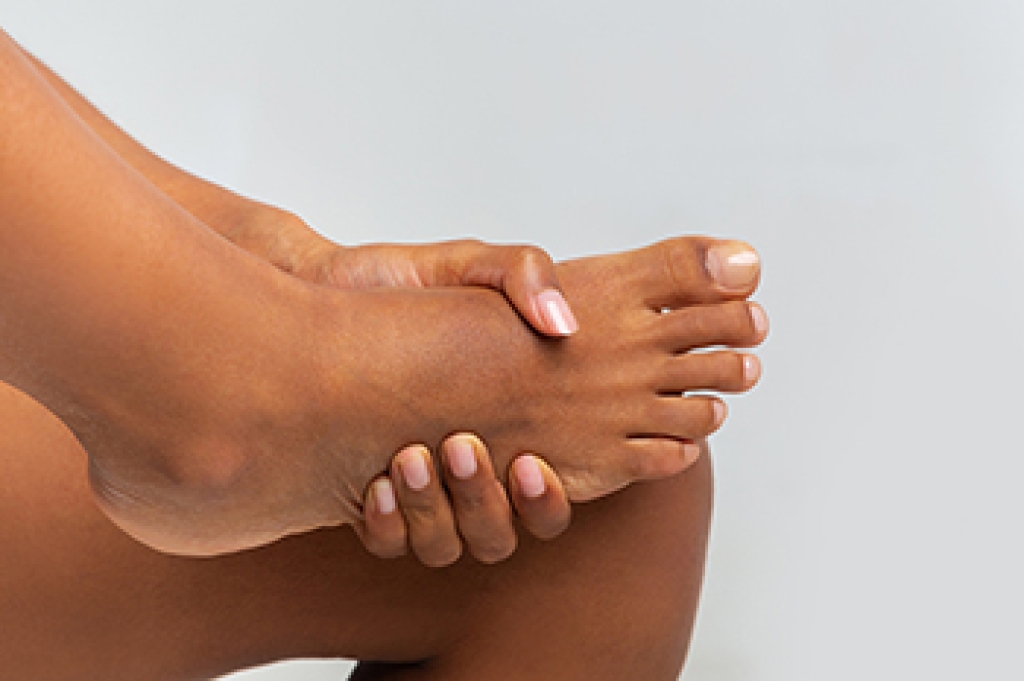
Foot pain can arise from many different sources, and understanding the cause is the first step toward finding relief. Overuse from long hours on your feet, wearing unsupportive footwear, or sudden increases in activity can strain the muscles, tendons, and ligaments. Conditions such as plantar fasciitis, tendon injuries, arthritis, nerve irritation, or stress fractures can also create discomfort that builds gradually or appears suddenly. Some individuals experience pain from structural issues like flat feet or high arches, while others notice soreness linked to corns, calluses, or nail problems. Because the feet work hard with every step, even minor concerns can interfere with daily movement, if ignored. Paying attention to early signs helps prevent more serious problems from developing. If your foot pain persists, worsens, or affects the way you walk, it is suggested that you schedule an appointment with a podiatrist for further evaluation.

Foot Pain

Foot pain can be extremely painful and debilitating. If you have a foot pain, consult with Alex Kim, DPM from AVID Foot & Ankle Center. Our doctor will assess your condition and provide you with quality foot and ankle treatment.

Causes

Foot pain is a very broad condition that could be caused by one or more ailments. The most common include:

  • Bunions
  • Hammertoes
  • Plantar Fasciitis
  • Bone Spurs
  • Corns
  • Tarsal Tunnel Syndrome
  • Ingrown Toenails
  • Arthritis (such as Gout, Rheumatoid, and Osteoarthritis)
  • Flat Feet
  • Injury (from stress fractures, broken toe, foot, ankle, Achilles tendon ruptures, and sprains)
  • And more

Diagnosis

To figure out the cause of foot pain, podiatrists utilize several different methods. This can range from simple visual inspections and sensation tests to X-rays and MRI scans. Prior medical history, family medical history, and any recent physical traumatic events will all be taken into consideration for a proper diagnosis.

Treatment

Treatment depends upon the cause of the foot pain. Whether it is resting, staying off the foot, or having surgery; podiatrists have a number of treatment options available for foot pain.

If you have any questions, please feel free to contact our office located in Little Elm, TX . We offer the newest diagnostic and treatment technologies for all your foot care needs.
Read more about Foot Pain

Recognizing an Athlete’s Foot Infection

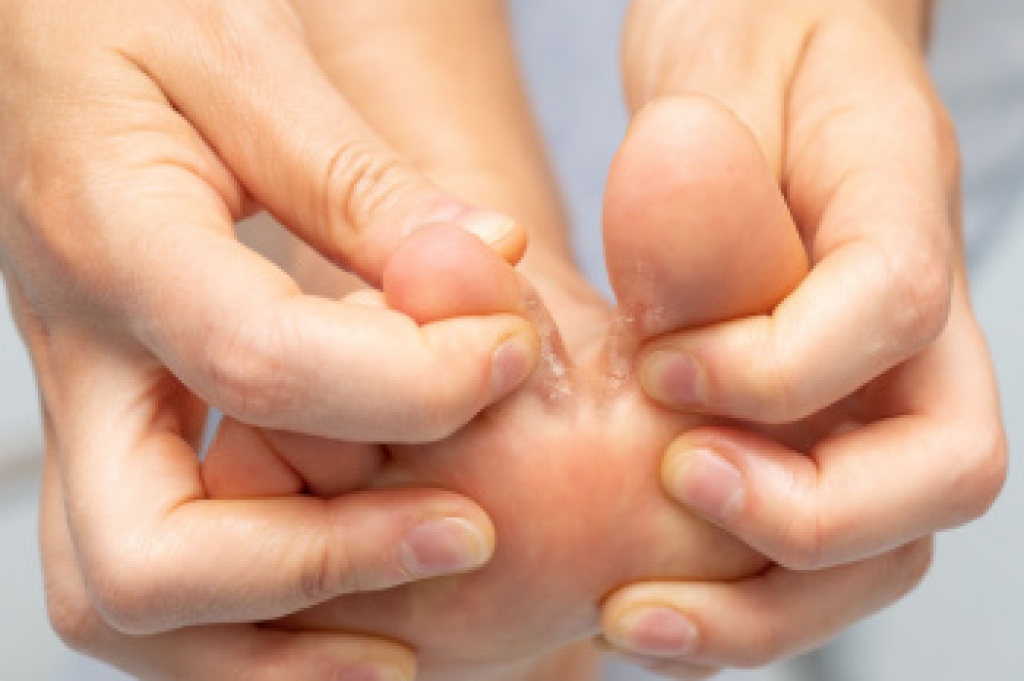
Recognizing an athlete’s foot infection starts with noticing changes in the skin on the feet, especially between the toes and along the soles. Early signs include itching, burning, or stinging, followed by peeling, cracking, or scaling skin that can become red and irritated. Some people notice small blisters or areas of raw skin, while others develop dry, thickened patches along the sides or bottom of the foot. In some cases, the infection spreads to the toenails, leading to discoloration, thickening, or crumbling. Athlete’s foot develops from fungus that thrives in warm, moist environments, like sweaty shoes or walking barefoot in shared areas. A podiatrist can examine the feet, confirm whether a fungal infection is present, and recommend appropriate treatment to reduce symptoms and prevent long-term skin or nail problems. If you think you have an athlete's foot infection, it is suggested that you make an appointment with a podiatrist for a diagnosis and options for help.

Athlete’s foot is an inconvenient condition that can be easily reduced with the proper treatment. If you have any concerns about your feet and ankles, contact Alex Kim, DPM from AVID Foot & Ankle Center.  Our doctor will treat your foot and ankle needs.

Athlete’s Foot: The Sole Story

Athlete's foot, also known as tinea pedis, can be an extremely contagious foot infection. It is commonly contracted in public changing areas and bathrooms, dormitory style living quarters, around locker rooms and public swimming pools, or anywhere your feet often come into contact with other people.

Solutions to Combat Athlete’s Foot

  • Hydrate your feet by using lotion
  • Exfoliate
  • Buff off nails
  • Use of anti-fungal products
  • Examine your feet and visit your doctor if any suspicious blisters or cuts develop

Athlete’s foot can cause many irritating symptoms such as dry and flaking skin, itching, and redness. Some more severe symptoms can include bleeding and cracked skin, intense itching and burning, and even pain when walking. In the worst cases, Athlete’s foot can cause blistering as well. Speak to your podiatrist for a better understanding of the different causes of Athlete’s foot, as well as help in determining which treatment options are best for you.

If you have any questions please feel free to contact our office located in Little Elm, TX . We offer the newest diagnostic and treatment technologies for all your foot and ankle needs.

Read more about How to Deal with Athlete's Foot

Guide to Podiatric Care for Cuboid Syndrome

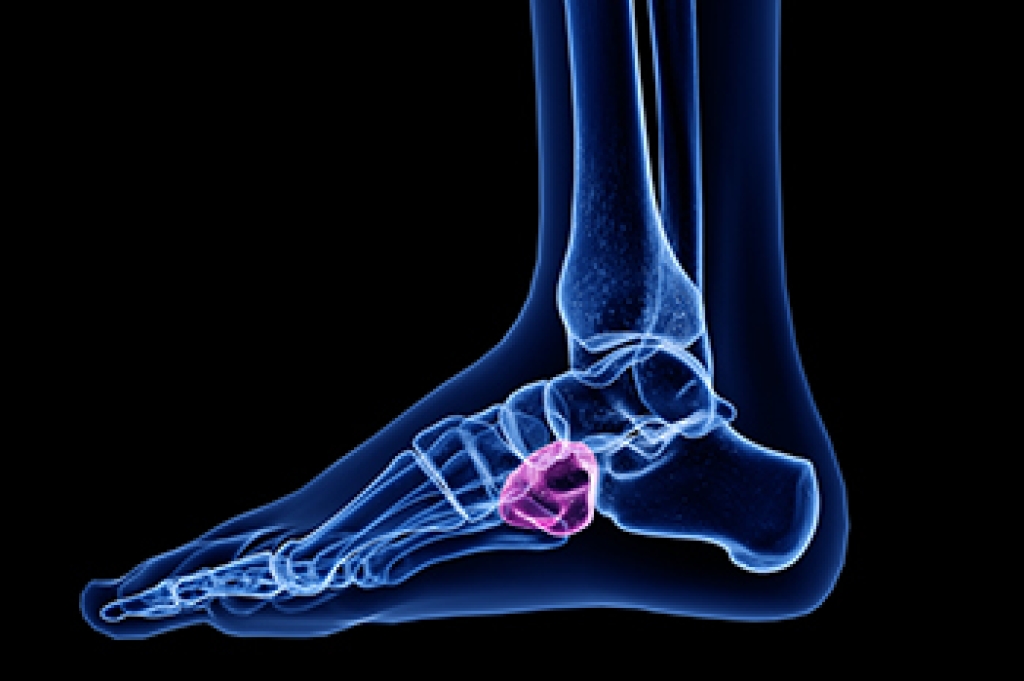
Cuboid syndrome occurs when the cuboid bone becomes irritated or slightly shifted out of position, creating sharp pain along the outside of the foot. A podiatrist begins the evaluation by reviewing recent injuries, activity changes, or ankle sprains, since these often contribute to the condition. The physical exam focuses on locating tenderness, assessing joint mobility, and checking for pain during specific foot movements that stress the cuboid. Imaging may be ordered to rule out fractures, but diagnosis is mainly clinical. Treatment centers on restoring proper alignment and easing inflammation. A targeted manipulation of the cuboid can offer quick relief, and taping or padding helps keep the joint stable as it heals. Custom orthotics may also be used for long-term support. Stretching and strengthening exercises complete recovery. If the outside of your foot hurts, it is suggested that you see a podiatrist for accurate diagnosis and individualized care.

Cuboid syndrome, also known as cuboid subluxation, occurs when the joints and ligaments near the cuboid bone in the foot become torn. If you have cuboid syndrome, consult with Alex Kim, DPM from AVID Foot & Ankle Center. Our doctor will assess your condition and provide you with quality foot and ankle treatment.

Cuboid syndrome is a common cause of lateral foot pain, which is pain on the outside of the foot. The condition may happen suddenly due to an ankle sprain, or it may develop slowly overtime from repetitive tension through the bone and surrounding structures.

Causes

The most common causes of cuboid syndrome include:

  • Injury – The most common cause of this ailment is an ankle sprain.
  • Repetitive Strain – Tension placed through the peroneus longus muscle from repetitive activities such as jumping and running may cause excessive traction on the bone causing it to sublux.
  • Altered Foot Biomechanics – Most people suffering from cuboid subluxation have flat feet.

Symptoms

A common symptom of cuboid syndrome is pain along the outside of the foot which can be felt in the ankle and toes. This pain may create walking difficulties and may cause those with the condition to walk with a limp.

Diagnosis

Diagnosis of cuboid syndrome is often difficult, and it is often misdiagnosed. X-rays, MRIs and CT scans often fail to properly show the cuboid subluxation. Although there isn’t a specific test used to diagnose cuboid syndrome, your podiatrist will usually check if pain is felt while pressing firmly on the cuboid bone of your foot.

Treatment

Just as the range of causes varies widely, so do treatments. Some more common treatments are ice therapy, rest, exercise, taping, and orthotics.

If you have any questions, please feel free to contact our office located in Little Elm, TX . We offer the newest diagnostic and treatment technologies for all your foot care needs.
Read more about Cuboid Syndrome

Children’s Intoeing Care

Children’s foot deformities are common and often noticed as a child begins to walk or becomes more active. Intoeing is a condition where the feet turn inward while walking, which may come from the hips, legs, or feet. Causes can include developmental changes, muscle imbalance, or inherited foot structure. Symptoms may involve frequent tripping, awkward walking patterns, uneven shoe wear, or leg fatigue during play. While many children outgrow intoeing, some cases may benefit from professional evaluation. A podiatrist can help by assessing gait, foot alignment, and growth patterns to determine the cause and severity. Treatment may include monitoring, stretching exercises, wearing supportive footwear, or custom orthotics to guide proper foot position. If you notice your child walking with their feet turned inward or having difficulty keeping up with activities, it is suggested that you schedule a podiatry consultation to ensure proper foot development and confident movement.

The health of a child’s feet is vital to their overall well-being. If you have any questions regarding foot health, contact Alex Kim, DPM of AVID Foot & Ankle Center. Our doctor can provide the care you need to keep you pain-free and on your feet.

Tips for Keeping Children's Feet Healthy

  • Make sure their shoes fit properly
  • Look for any signs of in-toeing or out-toeing
  • Check to see if they have Clubfoot (condition that affects your child’s foot and ankle, twisting the heel and toes inward) which is one of the most common nonmajor birth defects.
  • Lightly cover your baby’s feet (Tight covers may keep your baby from moving their feet freely, and could prevent normal development)
  • Allow your toddler to go shoeless (Shoes can be restricting for a young child’s foot)
  • Cut toenails straight across to avoid ingrown toenails
  • Keep your child’s foot clean and dry
  • Cover cuts and scrapes. Wash any scratches with soap and water and cover them with a bandage until they’ve healed.

If you have any questions, please feel free to contact our office located in Little Elm, TX . We offer the newest diagnostic and treatment technologies for all your foot care needs.

Read more about How to Care for Your Child's Feet

It's Time for Beautiful Feet

You don't need an excuse to have beautiful nails. Step outside without worrying about the appearance of your feet.

Connect With Us