When Foot and Heel Spurs Cause Pain

Bone spurs are small, bony growths that develop when the body responds to stress or pressure on a bone over time. In the feet, they often form near the heel or toes due to repetitive strain, flat feet, tight calf muscles, or poorly fitting shoes. Heel spurs may develop along the underside of the heel bone where the plantar fascia attaches, sometimes linked with plantar fasciitis. Although some bone spurs cause no symptoms, others can lead to sharp or aching pain, tenderness, or inflammation, especially while walking or standing for long periods of time. Wearing proper footwear, stretching, and custom orthotics can ease discomfort by reducing pressure on the affected area. If heel or foot pain persists or worsens despite home care, it is suggested that you see a podiatrist for an evaluation and specialized treatment to relieve discomfort and prevent further injury.

Heel spurs can be incredibly painful and sometimes may make you unable to participate in physical activities. To get medical care for your heel spurs, contact Alex Kim, DPM from AVID Foot & Ankle Center. Our doctor will do everything possible to treat your condition.

Heels Spurs

Heel spurs are formed by calcium deposits on the back of the foot where the heel is. This can also be caused by small fragments of bone breaking off one section of the foot, attaching onto the back of the foot. Heel spurs can also be bone growth on the back of the foot and may grow in the direction of the arch of the foot.

Older individuals usually suffer from heel spurs and pain sometimes intensifies with age. One of the main condition's spurs are related to is plantar fasciitis.

Pain

The pain associated with spurs is often because of weight placed on the feet. When someone is walking, their entire weight is concentrated on the feet. Bone spurs then have the tendency to affect other bones and tissues around the foot. As the pain continues, the feet will become tender and sensitive over time.

Treatments

There are many ways to treat heel spurs. If one is suffering from heel spurs in conjunction with pain, there are several methods for healing. Medication, surgery, and herbal care are some options.

If you have any questions, please feel free to contact our office located in Little Elm, TX . We offer the newest diagnostic and treatment technologies for all your foot care needs.

Read more about Heel Spurs

Common Foot and Ankle Injuries in Windsurfing

Windsurfing is an exciting sport, but it places the feet and ankles at risk for a variety of injuries. Collisions with the board can cause sprains, fractures, or bruising, while striking obstacles in the water may lead to cuts or more serious trauma. The constant pressure of balancing and adjusting foot position can also strain tendons and ligaments, increasing the chance of overuse injuries. A podiatrist can evaluate the extent of damage, provide treatment such as bracing or other procedures. If you experience pain or injury while windsurfing, it is suggested that you  schedule a visit with a podiatrist to protect your feet, recover safely, and continue enjoying the sport.

Ankle and foot injuries are common among athletes and in many sports. They can be caused by several problems and may be potentially serious. If you are feeling pain or think you were injured in a sporting event or when exercising, consult with Alex Kim, DPM from AVID Foot & Ankle Center. Our doctor will assess your condition and provide you with quality foot and ankle treatment.

Common Injuries

The most common injuries that occur in sporting activities include:

  • Achilles Tendonitis
  • Achilles Tendon Rupture
  • Ankle Sprains
  • Broken Foot
  • Plantar Fasciitis
  • Stress Fractures
  • Turf Toe

Symptoms

Symptoms vary depending upon the injury and in some cases, there may be no symptoms at all. However, in most cases, some form of symptom is experienced. Pain, aching, burning, bruising, tenderness, tightness or stiffness, sensation loss, difficulty moving, and swelling are the most common symptoms.

Treatment

Just as symptoms vary depending upon the injury, so do treatment options. A common treatment method is known as the RICE method. This method involves rest, applying ice, compression and elevating the afflicted foot or ankle. If the injury appears to be more serious, surgery might be required, such as arthroscopic or reconstructive surgery. Lastly, rehabilitation or therapy might be needed to gain full functionality in the afflicted area. Any discomfort experienced by an athlete must be evaluated by a licensed, reputable medical professional.  

If you have any questions please contact our office located in Little Elm, TX . We offer the newest diagnostic and treatment technologies for all your foot and ankle needs.

Read more about Sports Related Foot And Ankle Injuries

Understanding Morton’s Neuroma

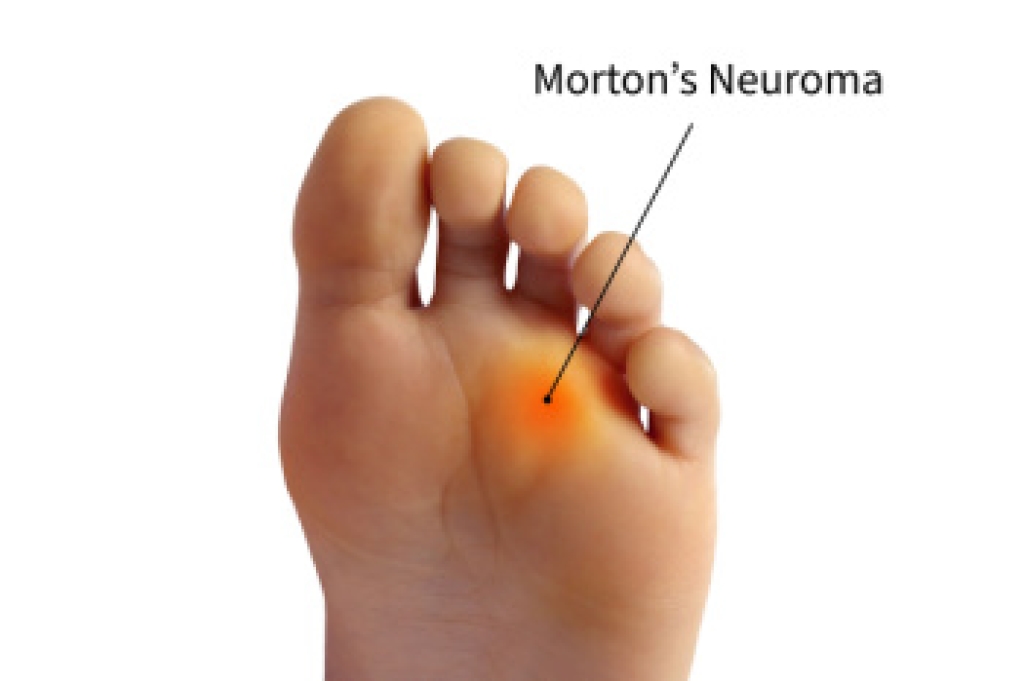
Morton’s neuroma is a painful condition that affects the ball of the foot, typically between the third and fourth toes. It is caused by a thickening of the tissue around one of the nerves leading to the toes, often due to repetitive stress, tight footwear, high heels, or abnormal foot structure. Symptoms include a sharp, burning pain in the forefoot, tingling or numbness in the toes, and the sensation of having a pebble or fold in the sock. The pain may worsen with walking or wearing shoes and may ease when the foot is at rest. A podiatrist can diagnose Morton’s neuroma through a physical examination, review of symptoms, and imaging tests if necessary. Treatment options include footwear changes, custom orthotics, corticosteroid injections, or in severe cases, surgical removal of the affected nerve. It is suggested that you make an appointment with a podiatrist to receive a proper diagnosis and begin effective treatment for lasting relief.

Morton’s neuroma is a very uncomfortable condition to live with. If you think you have Morton’s neuroma, contact Alex Kim, DPM of AVID Foot & Ankle Center. Our doctor will attend to all of your foot care needs and answer any of your related questions.  

Morton’s Neuroma

Morton's neuroma is a painful foot condition that commonly affects the areas between the second and third or third and fourth toe, although other areas of the foot are also susceptible. Morton’s neuroma is caused by an inflamed nerve in the foot that is being squeezed and aggravated by surrounding bones.

What Increases the Chances of Having Morton’s Neuroma?

  • Ill-fitting high heels or shoes that add pressure to the toe or foot
  • Jogging, running or any sport that involves constant impact to the foot
  • Flat feet, bunions, and any other foot deformities

Morton’s neuroma is a very treatable condition. Orthotics and shoe inserts can often be used to alleviate the pain on the forefront of the feet. In more severe cases, corticosteroids can also be prescribed. In order to figure out the best treatment for your neuroma, it’s recommended to seek the care of a podiatrist who can diagnose your condition and provide different treatment options.

If you have any questions, please feel free to contact our office located in Little Elm, TX . We offer the newest diagnostic and treatment technologies for all your foot care needs.

Read more about Morton's Neuroma

What Your Feet Can Expect When You Are Expecting

Pregnancy can affect the body in a variety of ways. Weight gain, hormonal changes, and increased bodily fluids during pregnancy can all have negative effects on your feet and ankles. A loosening of joints and ligaments can also lead to flat feet, bunions, and ankle instability exacerbated by weight gain—which can also cause the feet to swell and widen. Blood flow irregularities can also produce cramping, swelling and pain in the feet and calves. While many of these adverse effects will subside post-pregnancy, some conditions can remain problematic. If you are struggling with these issues, you should consult with a podiatrist. 

Pregnant women with swollen feet can be treated with a variety of different methods that are readily available. For more information about other cures for swollen feet during pregnancy, consult with Alex Kim, DPM from AVID Foot & Ankle Center. Our doctor will attend to all of your foot and ankle needs.

What Foot Problems Can Arise During Pregnancy?

One problem that can occur is overpronation, which occurs when the arch of the foot flattens and tends to roll inward.  This can cause pain and discomfort in your heels while you’re walking or even just standing up, trying to support your baby.  

Another problem is edema, or swelling in the extremities. This often affects the feet during pregnancy but tends to occur in the later stages. 

How Can I Keep My Feet Healthy During Pregnancy?

  • Wearing orthotics can provide extra support for the feet and help distribute weight evenly
  • Minimize the amount of time spent walking barefoot
  • Wear shoes with good arch support
  • Wear shoes that allow for good circulation to the feet
  • Elevate feet if you experience swelling
  • Massage your feet
  • Get regular, light exercise, such as walking, to promote blood circulation to the feet

If you have any questions, please feel free to contact our office located in Little Elm, TX . We offer the newest diagnostic and treatment technologies for all your foot care needs.

Read more about Pregnancy and Foot Health

Why Live with Pain and Numbness in Your Feet?

Suffering from this type of pain? You may have the foot condition known as Morton's neuroma. Morton's neuroma may develop as a result of ill-fitting footwear and existing foot deformities. We can help.

Connect With Us