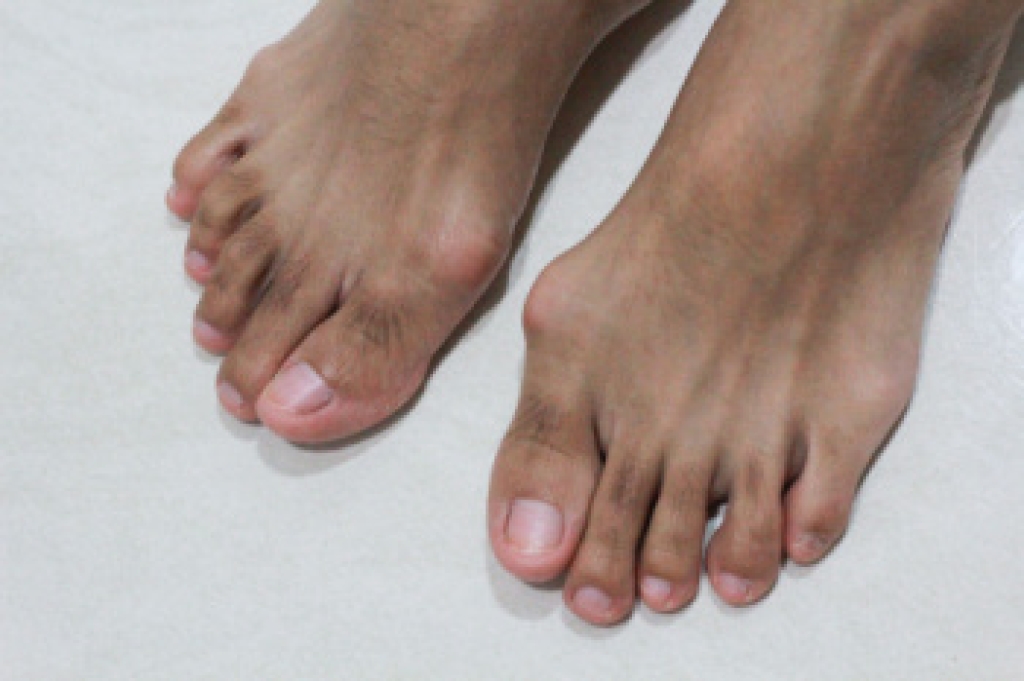
Types and Symptoms of Bunions

Bunions are a foot condition that develop when a toe joint becomes misaligned, creating a visible bump and pain. The most common type affects the big toe, when it shifts toward the second toe and forms a bump at the base of the joint. A bunionette, sometimes called a tailor’s bunion, forms on the outer side of the foot at the base of the little toe. Although smaller, a bunionette can still cause pain, redness, and swelling, especially when the bump rubs against shoes. Symptoms of both types  of bunions include a firm bump, skin irritation, stiffness, and difficulty moving the affected toe. Over time, the toes may drift further out of position, which can make walking uncomfortable. A podiatrist can evaluate the severity and provide appropriate treatment. Options include custom orthotics, bracing, and surgery to improve alignment and reduce pain. If you have foot problems related to bunions, it is suggested that you make an appointment with a podiatrist for help.

If you are suffering from bunions, contact Alex Kim, DPM of AVID Foot & Ankle Center. Our doctor can provide the care you need to keep you pain-free and on your feet.

What Is a Bunion?

A bunion is formed of swollen tissue or an enlargement of boney growth, usually located at the base joint of the toe that connects to the foot. The swelling occurs due to the bones in the big toe shifting inward, which impacts the other toes of the foot. This causes the area around the base of the big toe to become inflamed and painful.

Why Do Bunions Form?

Genetics – Susceptibility to bunions are often hereditary

Stress on the feet – Poorly fitted and uncomfortable footwear that places stress on feet, such as heels, can worsen existing bunions

How Are Bunions Diagnosed?

Podiatrists often perform two tests – blood tests and x-rays – when trying to diagnose bunions, especially in the early stages of development. Blood tests help determine if the foot pain is being caused by something else, such as arthritis, while x-rays provide a clear picture of your bone structure to your provider.

How Are Bunions Treated?

  • Refrain from wearing heels or similar shoes that cause discomfort
  • Select wider shoes that can provide more comfort and reduce pain
  • Anti-inflammatory and pain management drugs
  • Orthotics or foot inserts
  • Surgery

If you have any questions, please feel free to contact our office located in Little Elm, TX . We offer the newest diagnostic and treatment technologies for all your foot care needs.
Read more about Bunions

Peripheral Vascular Disease and Foot Health

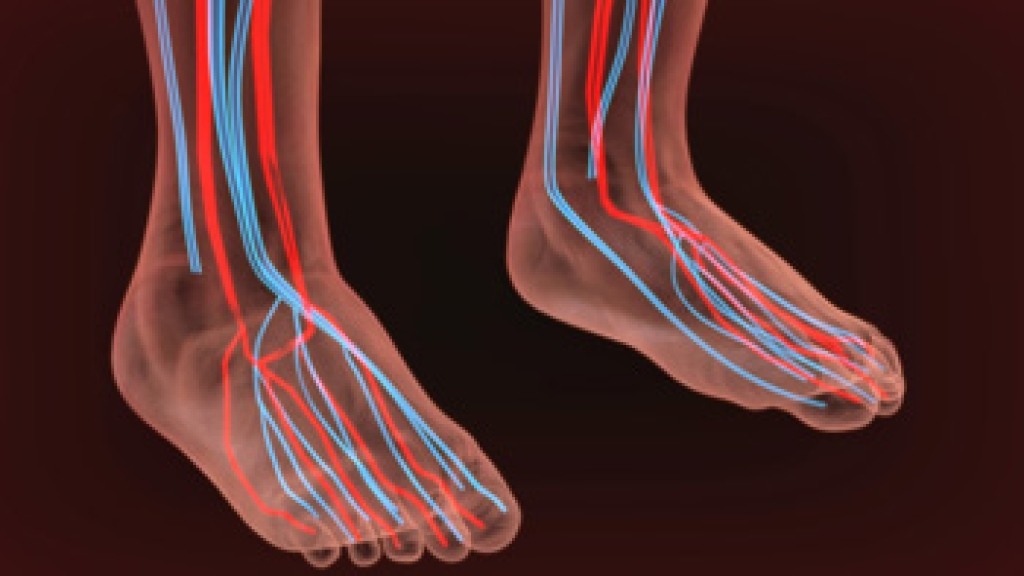
Peripheral vascular disease affects blood flow to the limbs, especially the legs and feet, due to narrowed or blocked blood vessels. It is often caused by a buildup of fatty deposits in the arteries that restrict circulation. Symptoms include leg pain, cramping, slow-healing foot wounds, and changes in skin color or texture. Also, it may cause the feet to become cold and numb. Risk factors include smoking, diabetes, high blood pressure, high cholesterol, and lack of physical activity. Poor circulation can increase the risk of infection and tissue damage. A podiatrist can help by monitoring foot health, managing wounds, and providing guidance to improve circulation and prevent complications. If you notice changes in your feet, and have symptoms of this condition, it is suggested that you  seek podiatric care for guidance.

While poor circulation itself isn’t a condition; it is a symptom of another underlying health condition you may have. If you have any concerns with poor circulation in your feet contact Alex Kim, DPM of AVID Foot & Ankle Center. Our doctor will treat your foot and ankle needs.

Poor Circulation in the Feet

Peripheral artery disease (PAD) can potentially lead to poor circulation in the lower extremities. PAD is a condition that causes the blood vessels and arteries to narrow. In a linked condition called atherosclerosis, the arteries stiffen up due to a buildup of plaque in the arteries and blood vessels. These two conditions can cause a decrease in the amount of blood that flows to your extremities, therefore resulting in pain.

Symptoms

Some of the most common symptoms of poor circulation are:

  • Numbness
  • Tingling
  • Throbbing or stinging pain in limbs
  • Pain
  • Muscle Cramps

Treatment for poor circulation often depends on the underlying condition that causes it. Methods for treatment may include insulin for diabetes, special exercise programs, surgery for varicose veins, or compression socks for swollen legs.

As always, see a podiatrist as he or she will assist in finding a regimen that suits you. A podiatrist can also prescribe you any needed medication. 

If you have any questions, please feel free to contact our office located in Little Elm, TX . We offer the newest diagnostic and treatment technologies for all your foot care needs.
Read more about Causes Symptoms and Treatment for Poor Circulation in the Feet

Foot Alignment Link to Ingrown Toenails

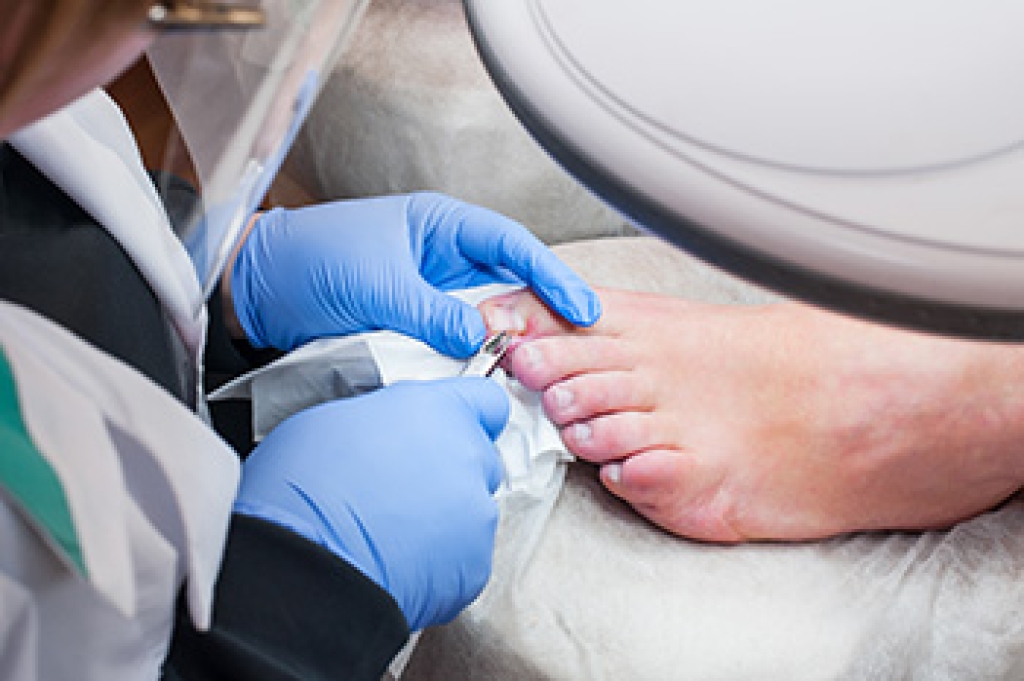
Recent studies suggest that foot alignment may influence the development of ingrown toenails. An ingrown toenail occurs when the nail edge presses into nearby skin, causing pain, swelling, and infection. Studies suggest that people with a lower foot arch, flat feet, may face a higher risk. A reduced arch can shift pressure toward the front of the foot and the big toe, increasing irritation along the nail border. In some people, the tip of the big toe bone may angle outward, which can lead to ingrown nails along the outer side. A podiatrist can evaluate foot structure by examination and imaging. Treatment may involve correcting nail growth patterns, easing pressure on the toe, and addressing alignment problems to reduce repeat episodes. If you have pain from an ingrown toenail, it is suggested that you make an appointment with a podiatrist for an exam, diagnosis, and treatment.

Ingrown toenails may initially present themselves as a minor discomfort, but they may progress into an infection in the skin without proper treatment. For more information about ingrown toenails, contact Alex Kim, DPM of AVID Foot & Ankle Center. Our doctor can provide the care you need to keep you pain-free and on your feet.

Ingrown Toenails

Ingrown toenails are caused when the corner or side of a toenail grows into the soft flesh surrounding it. They often result in redness, swelling, pain, and in some cases, infection. This condition typically affects the big toe and may recur if it is not treated properly.

Causes

  • Improper toenail trimming
  • Genetics
  • Improper shoe fitting
  • Injury from pedicures or nail picking
  • Abnormal gait
  • Poor hygiene

You are more likely to develop an ingrown toenail if you are obese, have diabetes, arthritis, or have any fungal infection in your nails. Additionally, people who have foot or toe deformities are at a higher risk of developing an ingrown toenail.

Symptoms

Some symptoms of ingrown toenails are redness, swelling, and pain. In rare cases, there may be a yellowish drainage coming from the nail.

Treatment

Ignoring an ingrown toenail can have serious complications. Infections of the nail border can progress to a deeper soft-tissue infection, which can then turn into a bone infection. You should always speak with your podiatrist if you suspect you have an ingrown toenail, especially if you have diabetes or poor circulation.

If you have any questions, please feel free to contact our office located in Little Elm, TX . We offer the newest diagnostic and treatment technologies for all your foot care needs.

Read more about Ingrown Toenails

How Certain Genetic Conditions Can Affect the Feet

Some genetic disorders can influence the way bones, joints, and connective tissues develop in the feet. Because the feet contain many small bones and joints, inherited conditions may change their shape, alignment, or flexibility. Achondroplasia, a common form of dwarfism, affects bone growth and may lead to changes in leg alignment that place extra stress on the feet and ankles during walking. Ellis van Creveld syndrome is a rare genetic condition that can cause short limbs and sometimes extra toes, which may affect balance and shoe fit. Marfan syndrome affects the body’s connective tissue and often leads to long, flexible feet with loose joints that can increase the risk of ankle instability. These structural differences may lead to discomfort, fatigue, or changes in walking over time. When unusual foot structure or persistent pain develops, it is suggested that you see a podiatrist for a proper diagnosis and appropriate treatment.

Some foot conditions may require additional professional care. If you have any concerns, contact Alex Kim, DPM of AVID Foot & Ankle Center. Our doctor can provide the care you need to keep you pain-free and on your feet.

Rare Foot Conditions

The majority of foot conditions are common and can be treated by a podiatrist.  Standard diagnostic procedures are generally used to identify specific conditions and treatment can be rendered. A podiatrist also treats rare foot conditions which can be difficult to diagnose and may need extra attention and care. 

There are many rare foot conditions that can affect children. Some of these can include:

  • Freiberg’s disease
  • Kohler’s disease
  • Maffucci syndrome

Freiberg’s disease - This can be seen as a deterioration and flattening of a metatarsal bone that exists in the ball of the foot. It typically affects pre-teen and teenage girls, but can affect anyone at any age. Symptoms that can accompany this can be swelling, stiffness, and the patient may limp. 

Kohler’s disease - This often targets the bone in the arch of the foot and affects younger boys. It can lead to an interruption of the blood supply which ultimately can lead to bone deterioration. The patient may limp or experience tenderness, swelling, and redness.

Maffucci syndrome - This affects the long bones in a child’s foot leading to the development of abnormal bone lesions. They are benign growths and typically develop in early childhood and the bones may be susceptible to breaking. 

A podiatrist can properly diagnose and treat all types of rare foot conditions. If your child is affected by any of these symptoms or conditions, please don’t hesitate to call our office so the correct treatment method can begin.

If you have any questions, please feel free to contact our office located in Little Elm, TX . We offer the newest diagnostic and treatment technologies for all your foot care needs.

Read more about Rare Foot Conditions

Let the Expert Treat Your Ingrown Toenails

Ingrown toenails can be painful and can make wearing shoes or walking uncomfortable. Seek professional help if you believe you've developed an ingrown toenail and be treated safely. 

Connect With Us